ROMA54
A campaign architecture for Mexico City
Strategic Account Executive
Monks Mexico
Brand Campaign
The Problem Worth Solving
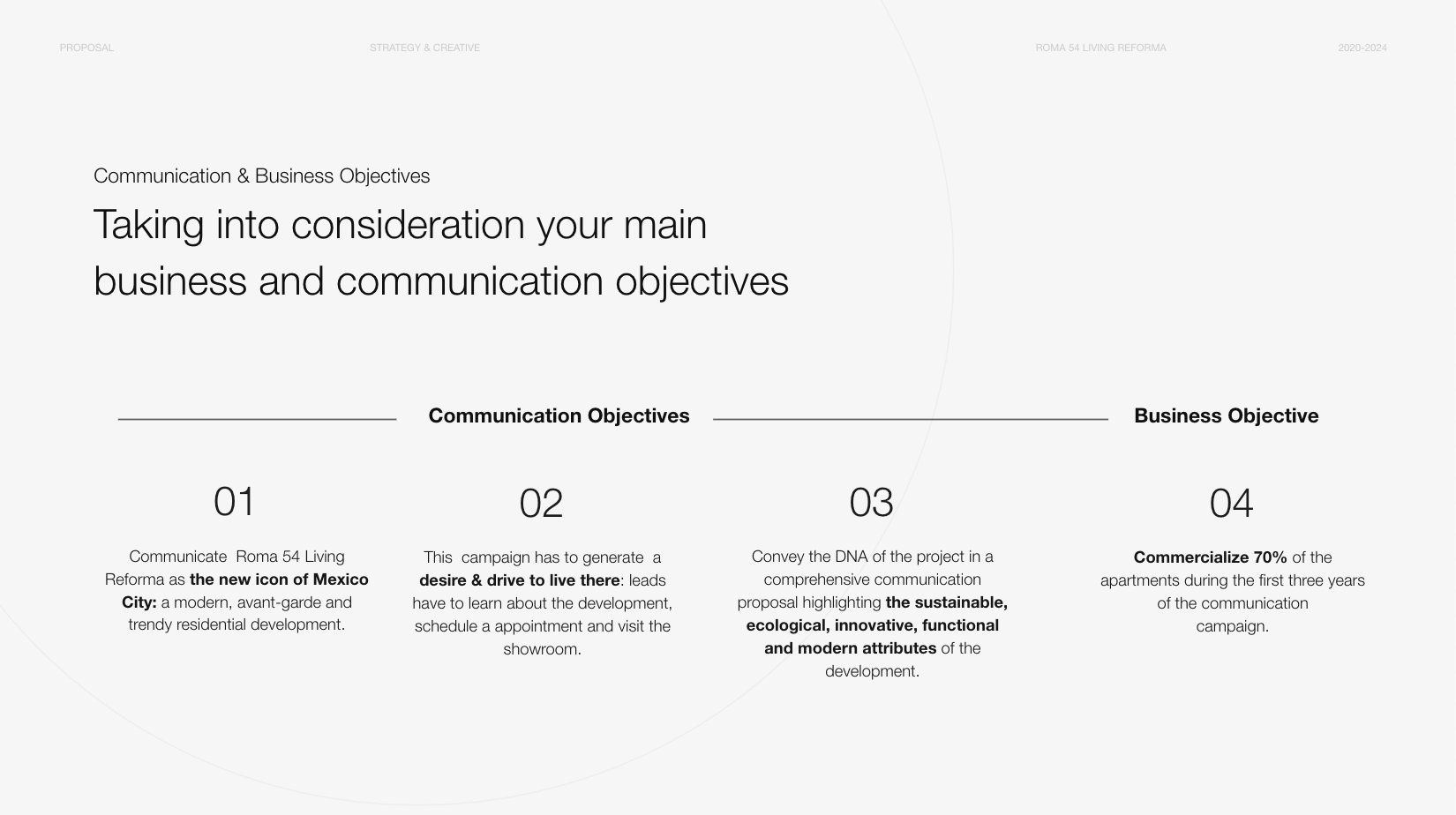
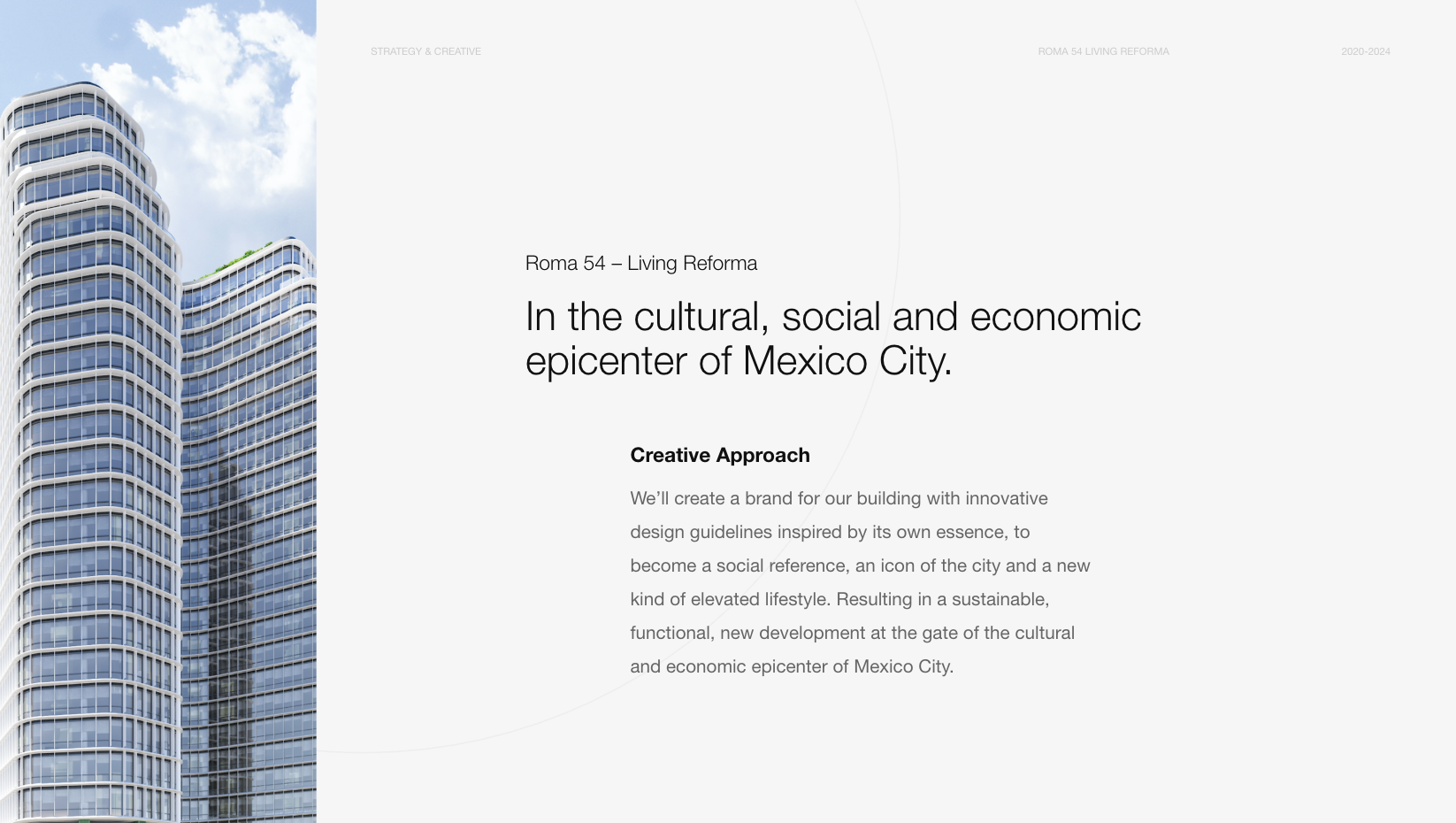
GFA needed to launch Roma 54, a luxury residential tower at the gateway to Mexico City's cultural and economic core. The target was steep: sell 70% of the development within three years. The campaign had to work as a brand launch and as a practical lead-generation tool for sales agents.
Two audiences complicated the brief. Residents were buying a lifestyle. Investors were buying a return. Both needed to feel served without diluting either message.
The Insight That Unlocked It
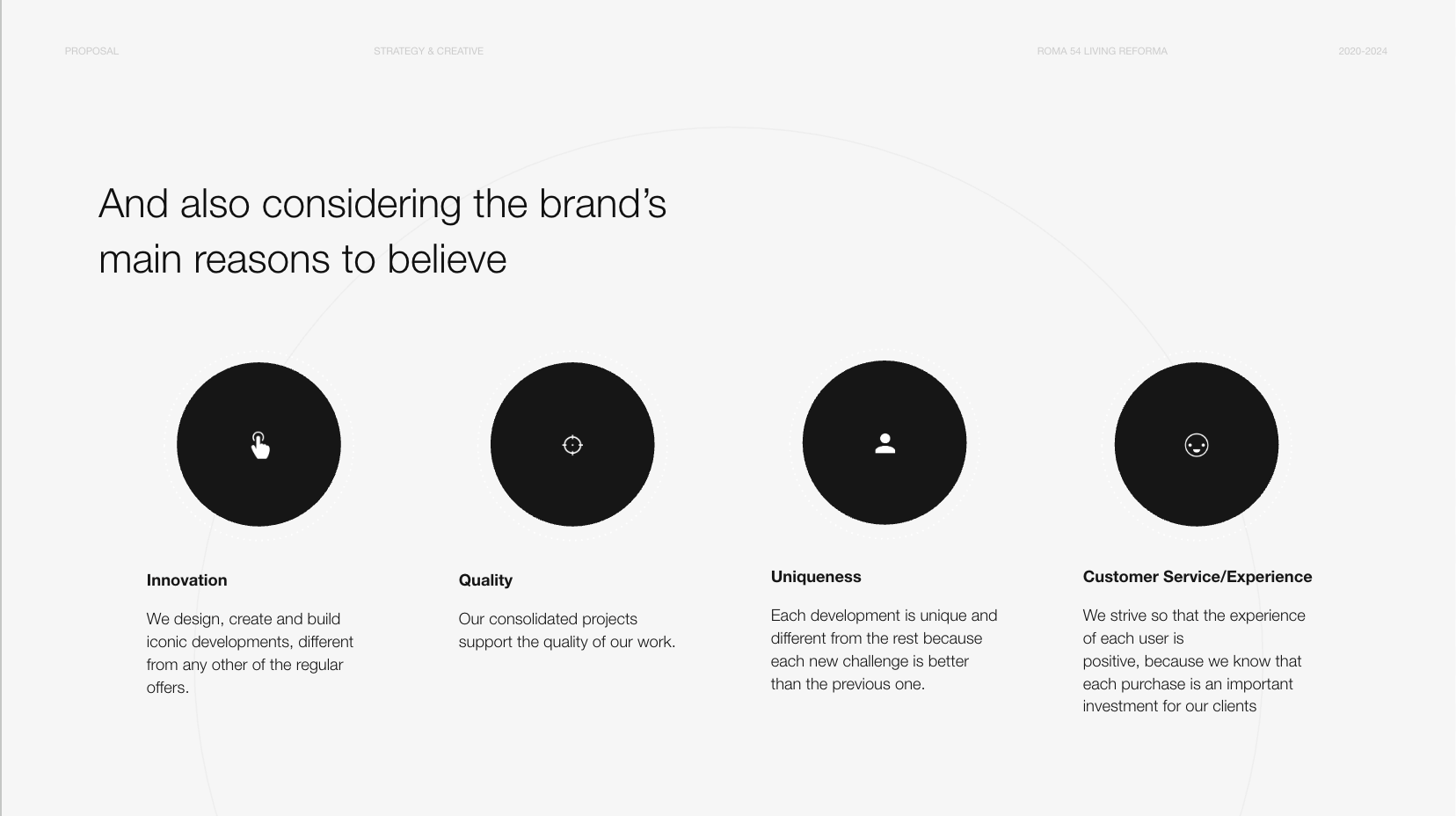
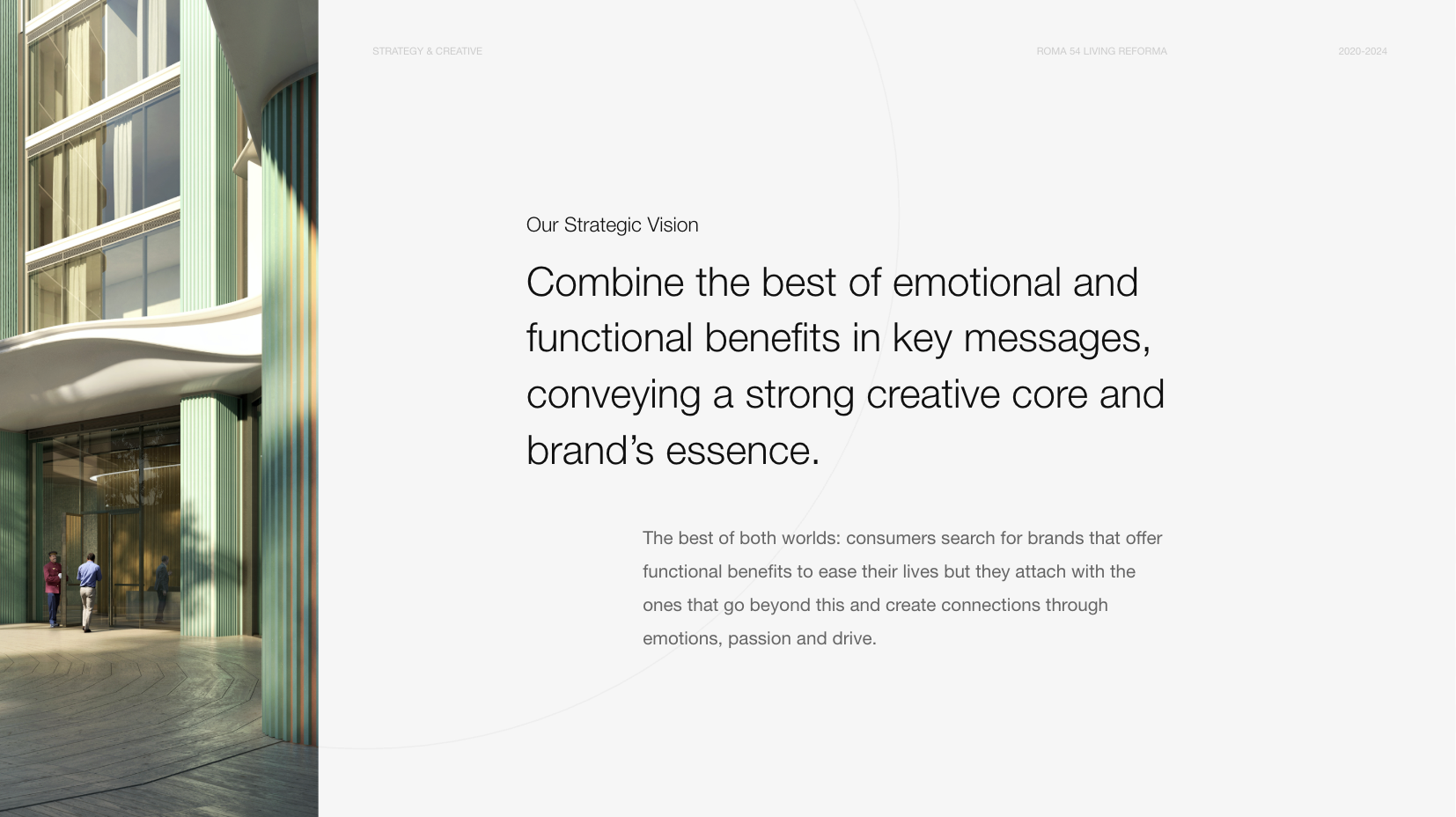
Real estate decisions aren't purely emotional or purely functional. The strategy held both in the same frame: an emotional pull around "a new kind of elevated lifestyle," backed by functional proof points like sustainability, location, and investment security. Mass media carried the broad emotional message. The website and social ecosystem flexed per audience for the decision-stage detail.
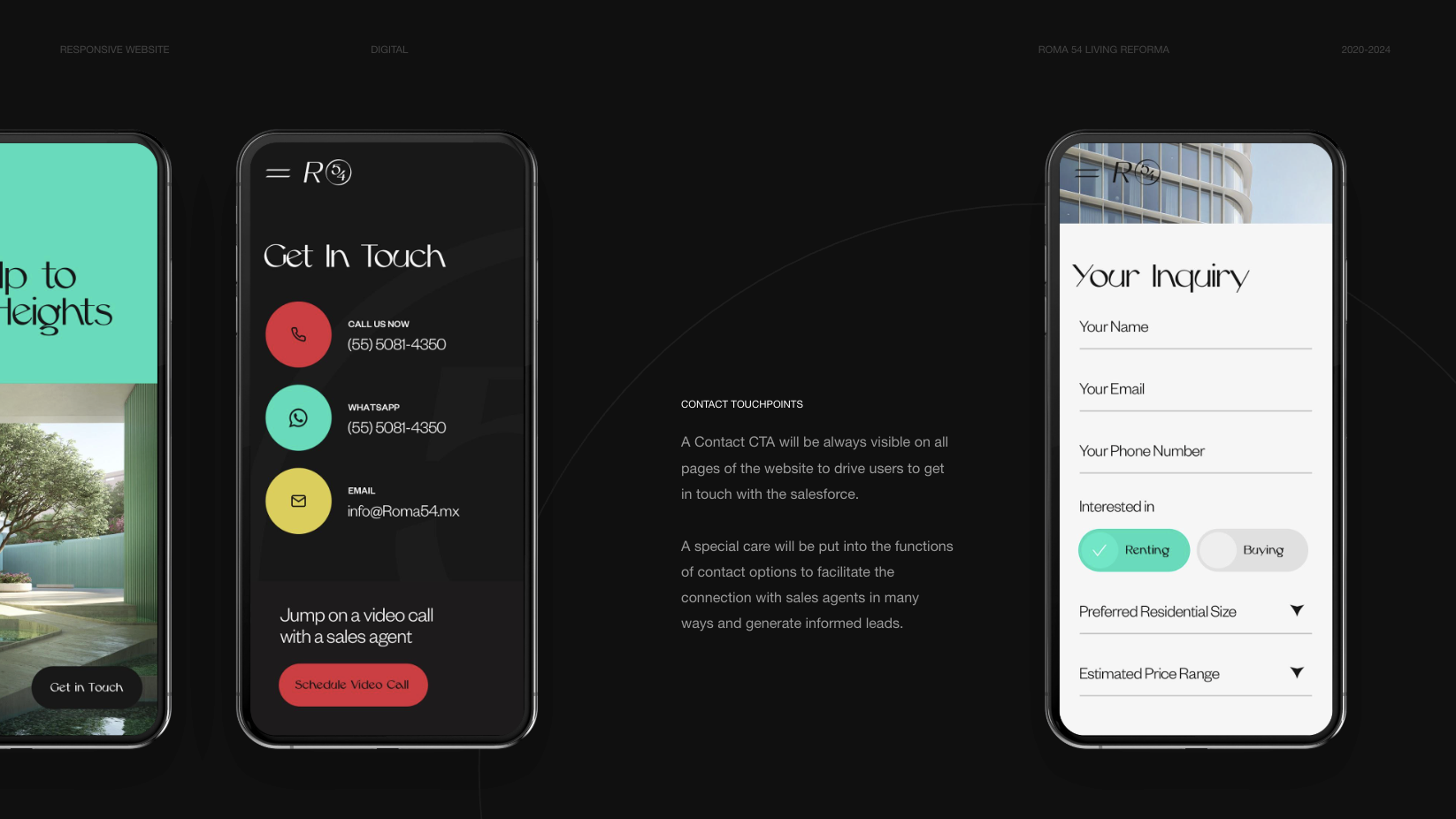
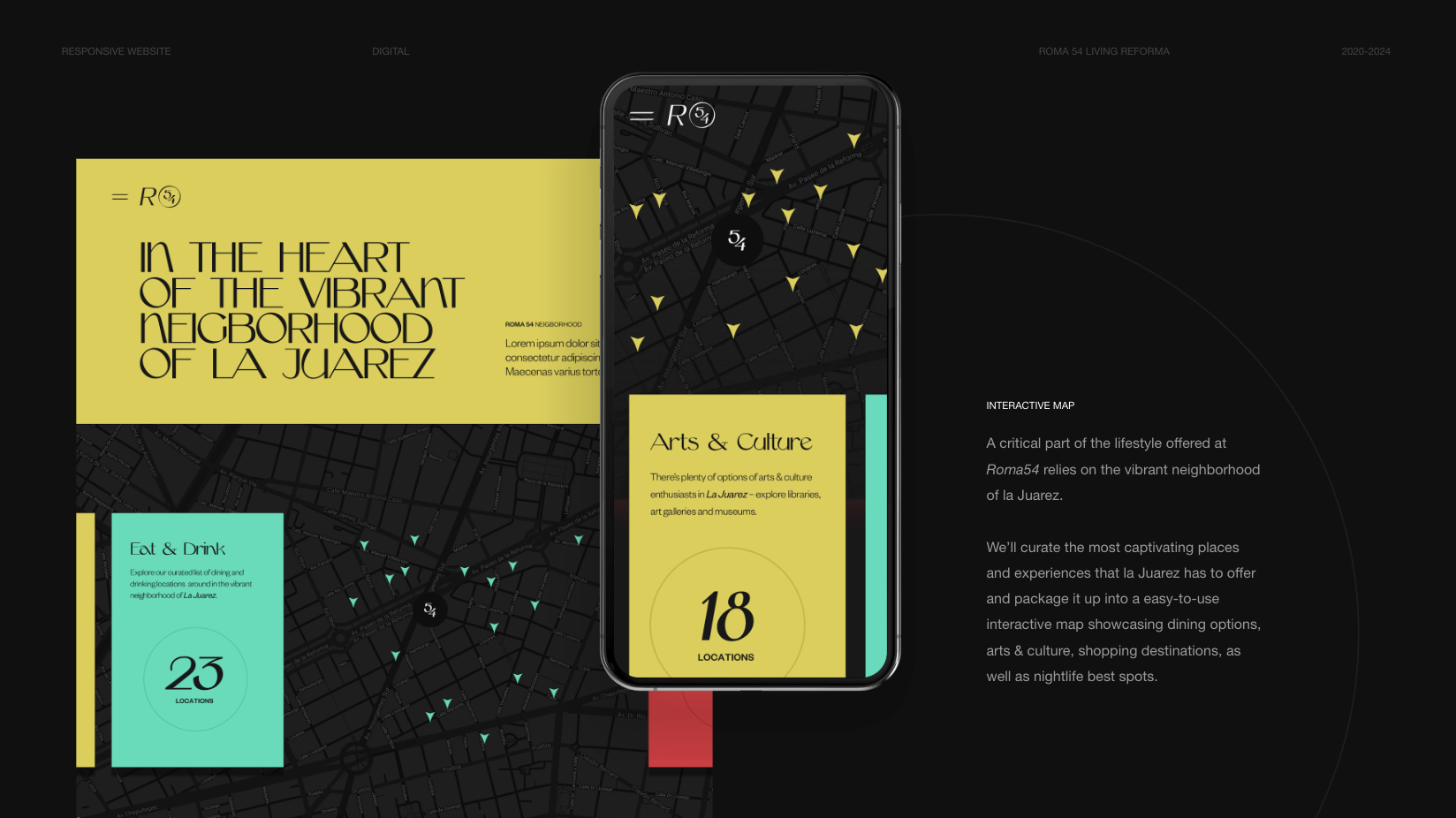
The website became infrastructure rather than a brochure. Over 80% of home searches in Mexico start or pass through the internet. The hub connected every other touchpoint to the sales team directly.
What I Did
I worked within the strategy team from brief through to creative execution:
Defined the dual-audience framework and the emotional/functional incentive split that ran through every later decision
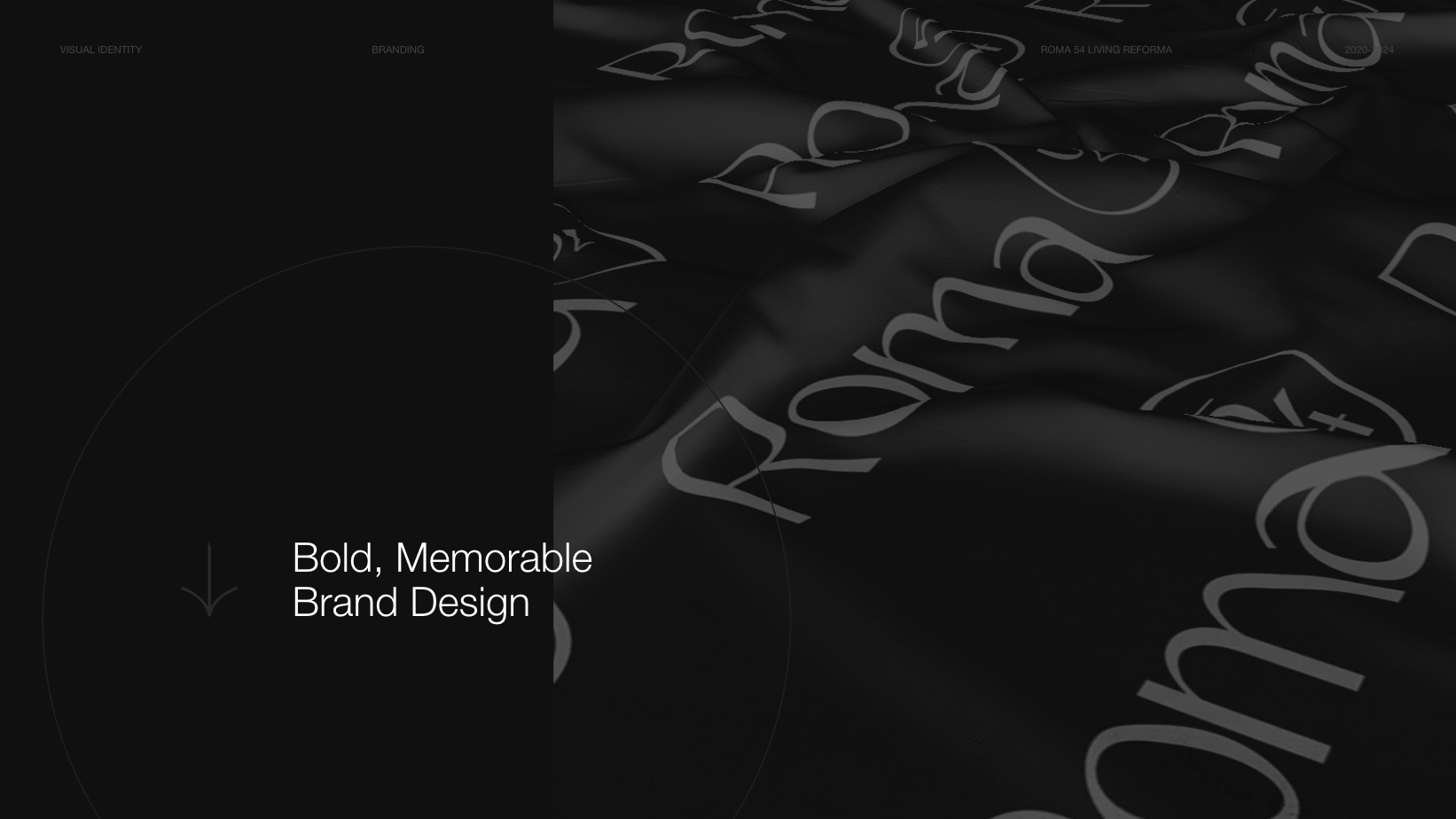
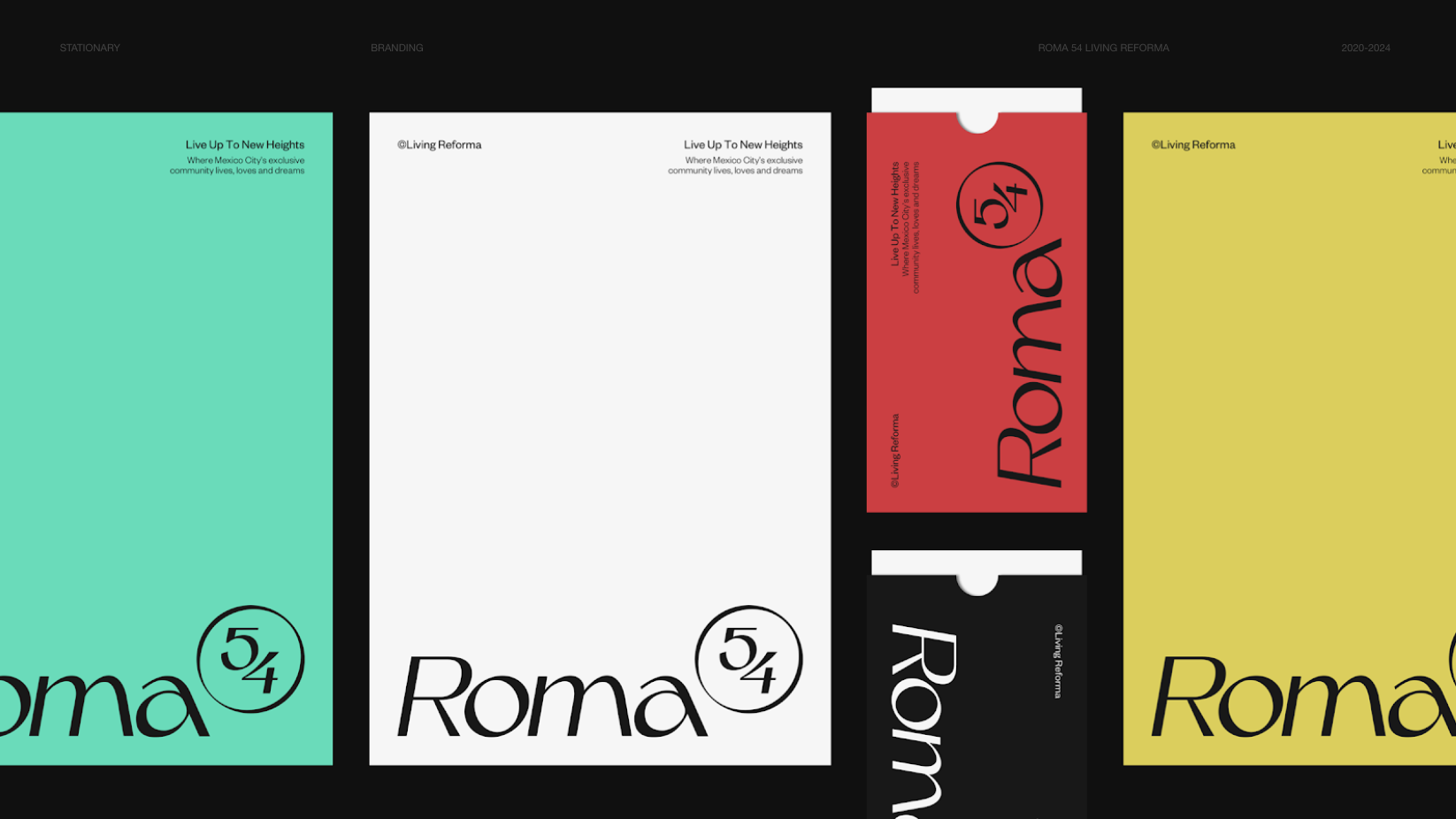
Built the brand name, Roma54, fusing the neighbourhood and the address into one identity
Shaped the three-phase campaign architecture: pre-construction, launch, and post-construction maintenance
Developed the lead-generation funnel and customer journey, connecting paid media, the website, and direct sales contact into one accountable system
Contributed to an always-on content model, shifting the agency's default from a single big idea toward a data-led structure where digital carried most of the ongoing weight
The Idea It Became
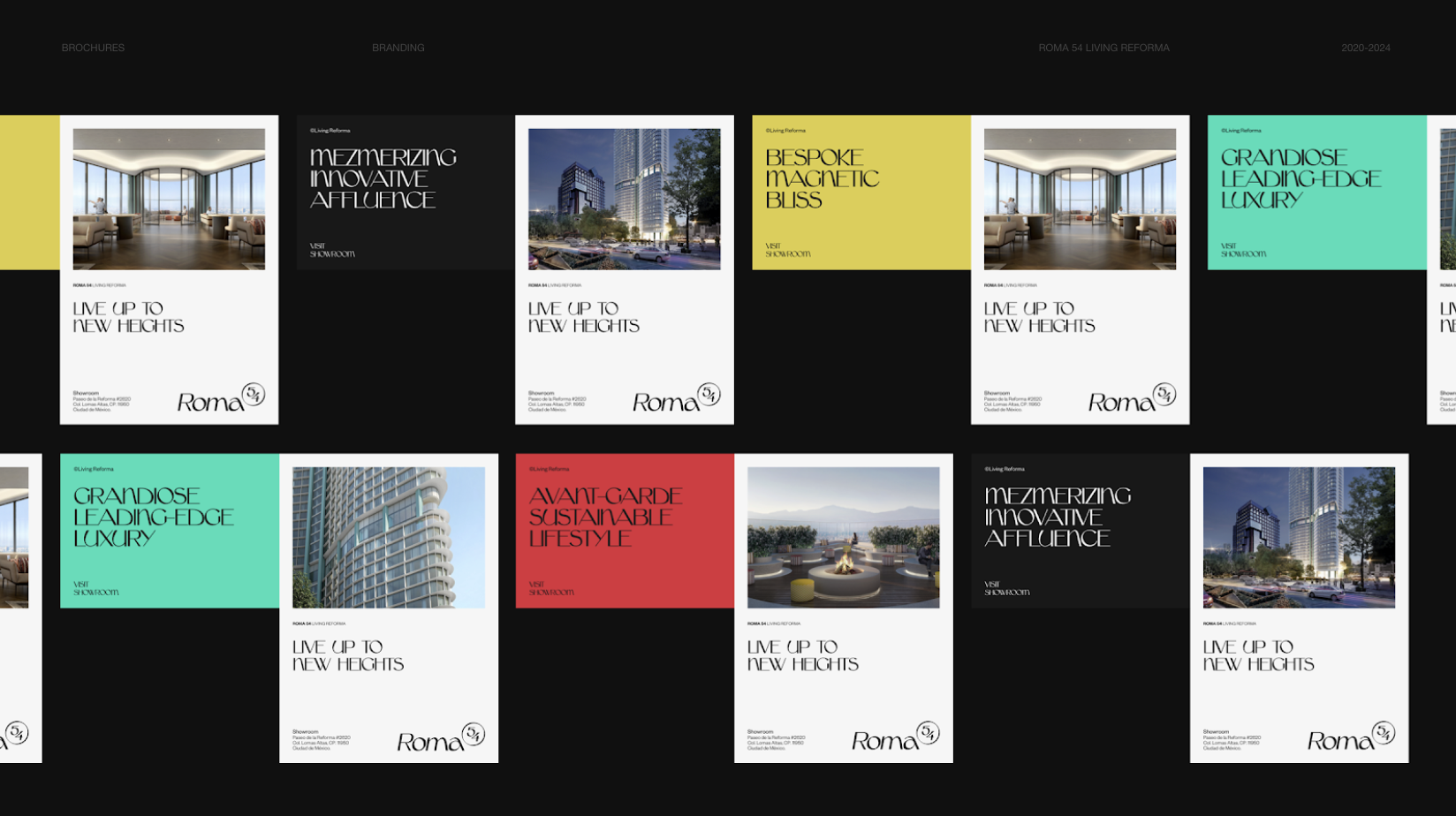
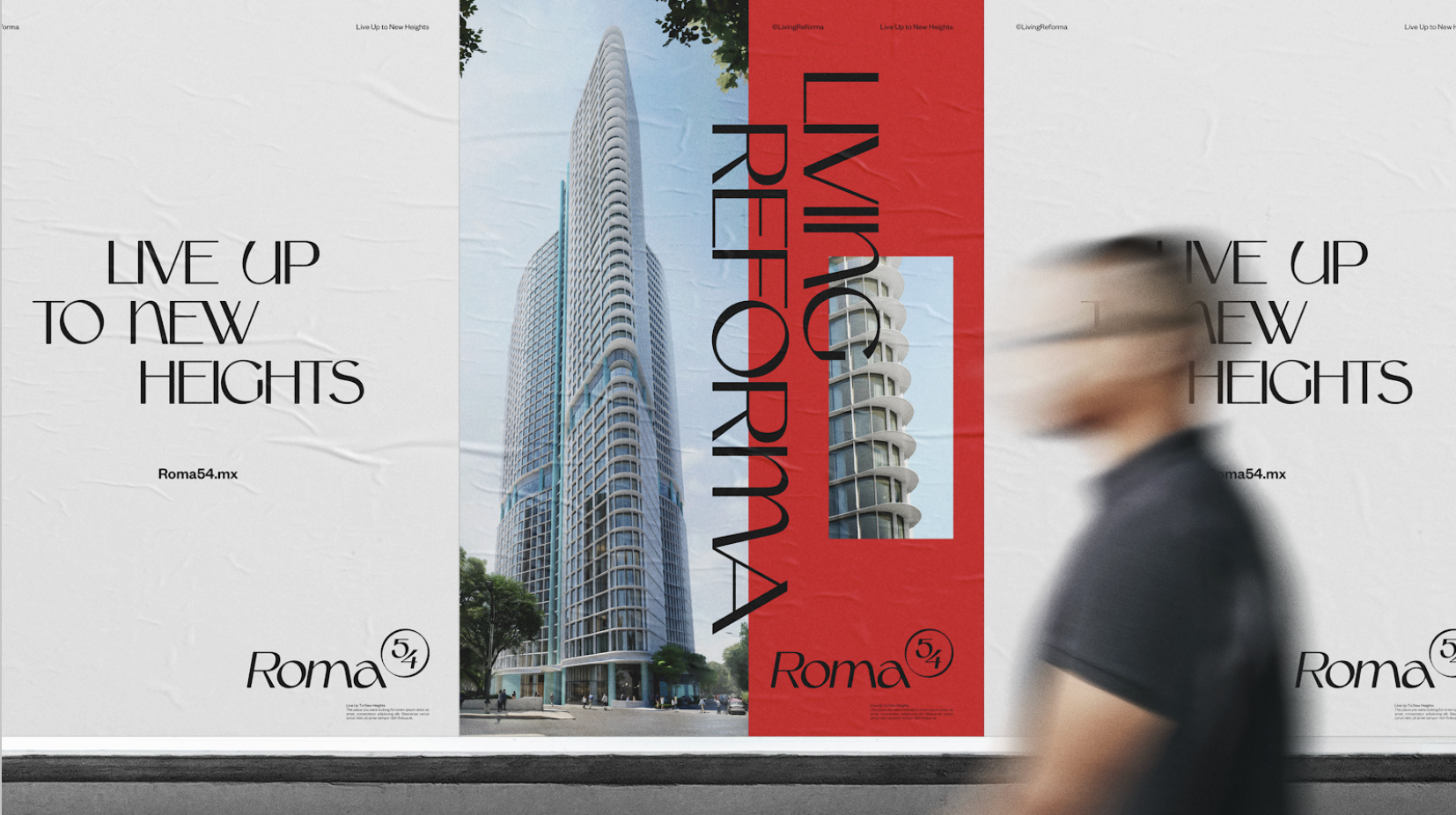
"Live Up to New Heights." The line carried the literal premise (a tower, a skyline) and the aspirational one (a step up in how people live).
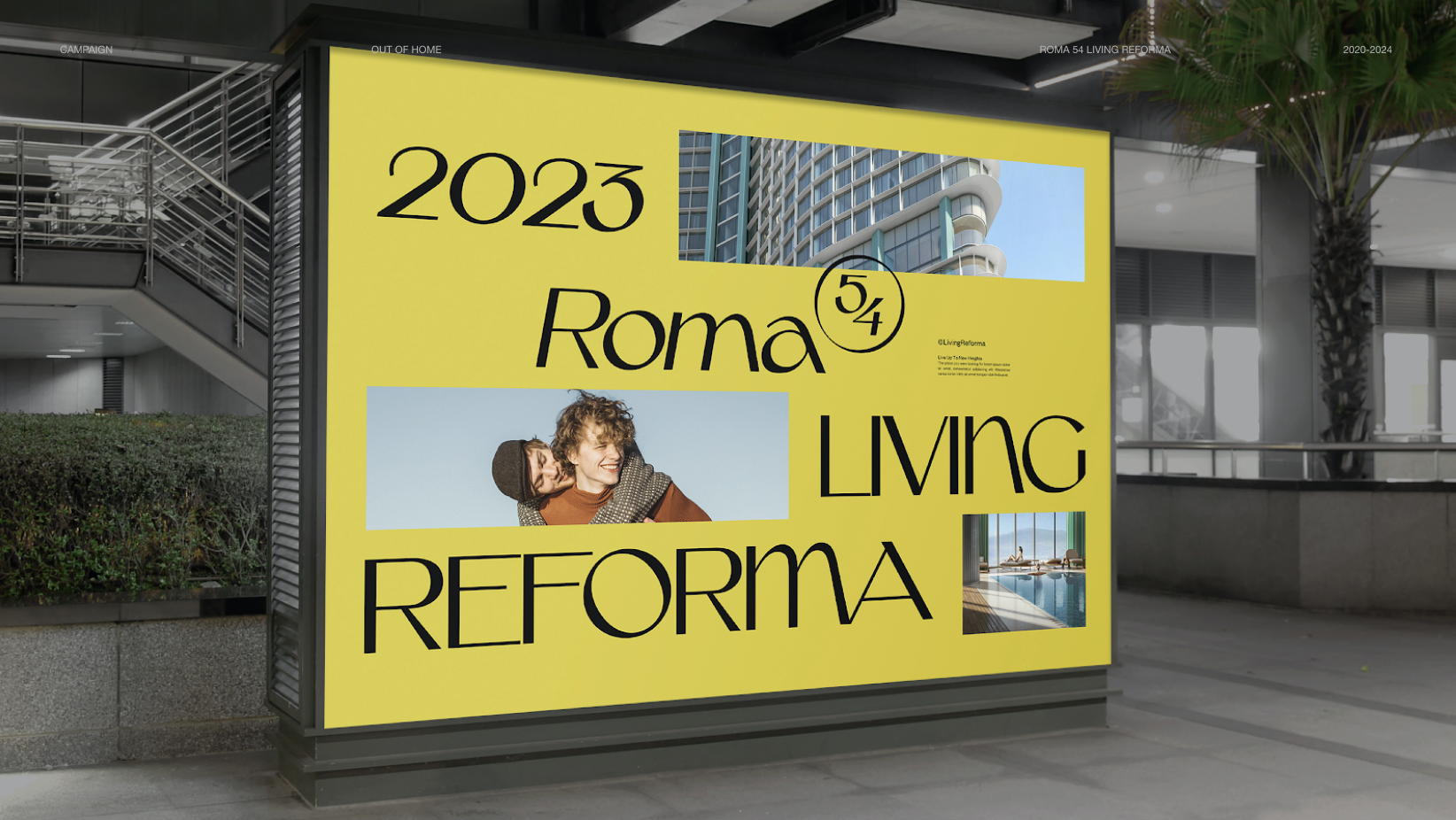
It scaled across a 396-page retrospective book, OOH, social-first teaser films profiling local creatives in the neighbourhood, and an activation called "Test Nights at Roma54," letting potential buyers sleep in the building before deciding. The visual identity, a bold serif logotype, a five-colour palette, and motion-led branding, was built to hold up across that range.
What Happened
GFA didn't proceed to execution. The development hit external permitting issues unrelated to the strategy or creative work.
The deck became an internal reference at MediaMonks, used in later pitches as an example of integrated strategy-to-creative thinking.